

Nutrition Awareness & Healthy Eating
Learn how proper nutrition fuels your active lifestyle and supports your wellness goals

Why Nutrition Matters More Than Ever
You're living an active life — and that takes energy. Whether you're joining exercise classes, attending workshops, or meeting with wellness groups, your body needs the right fuel. That's where nutrition awareness comes in.
It's not about restriction or complicated diets. It's about understanding what your body actually needs at this stage of life. The foods you choose directly impact your energy levels, bone strength, muscle recovery, and how you feel day-to-day. We've worked with hundreds of adults in the 40-60 age range, and the ones who pay attention to nutrition consistently report feeling stronger, more energized, and genuinely better.
This guide breaks down the nutrition fundamentals in plain language — no marketing nonsense, just practical information you can use immediately.

Building Your Energy Foundation
Energy crashes aren't inevitable. Most people experience that 3pm slump because they're eating in ways that spike and crash their blood sugar. We see this pattern constantly — people grab a muffin for breakfast, feel good for an hour, then hit a wall.
The fix? Balance your meals with three key components:
- Protein at every meal — aim for about 25-30 grams. Fish, eggs, Greek yogurt, legumes, lean meat. Protein stabilizes your blood sugar and keeps you feeling full.
- Whole grains over refined — brown rice, oats, whole wheat bread instead of white. The fiber makes a genuine difference in how your energy stays steady.
- Healthy fats included — olive oil, nuts, avocados. Fat slows digestion, meaning more stable energy for hours.
Timing matters too. Don't skip breakfast. You'll just overeat later. A decent breakfast within an hour of waking sets your metabolism for the whole day.
Bone Health Through Nutrition
Bone density doesn't stay constant. After 30, we all lose bone mass gradually — it's just biology. But you can absolutely slow that process or even build back some strength. Nutrition plays a massive role here.
Calcium gets all the attention, and yes, you need it. But here's what most people miss: you also need vitamin D to actually absorb that calcium. And you need strength training (which your exercise classes provide) to stimulate bone remodeling.
Key Nutrients for Bone Health
- Calcium: 1,000-1,200 mg daily (dairy, leafy greens, fortified plant milks)
- Vitamin D: 600-800 IU daily (fatty fish, egg yolks, sunlight exposure)
- Magnesium: 310-420 mg daily (nuts, seeds, dark chocolate, spinach)
- Protein: Essential for bone structure (the collagen matrix)


Practical Meal Strategies That Actually Work
Theory is fine, but you need strategies you'll actually stick with. Here's what we see work best for active adults:
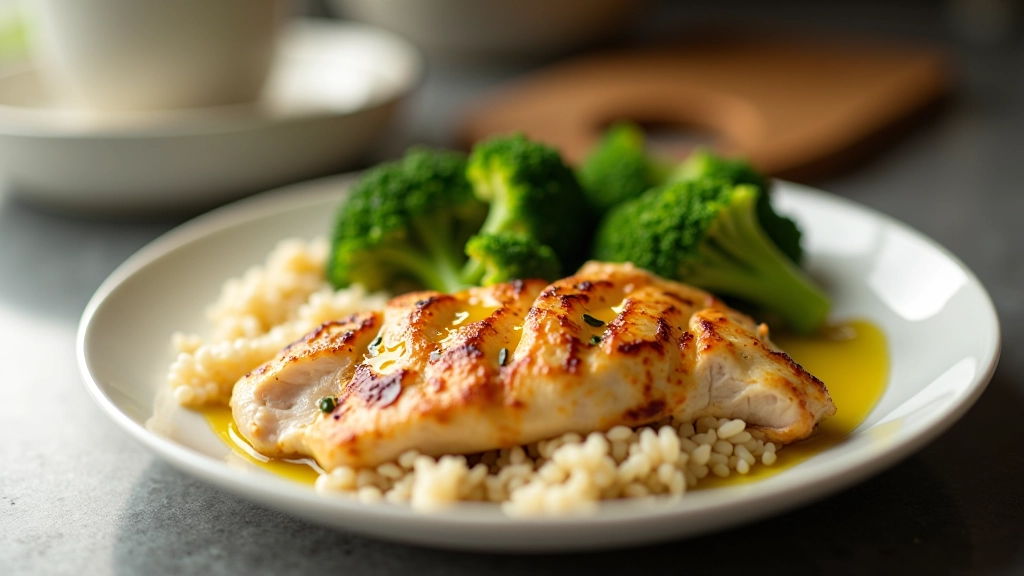
Batch cook on weekends. Spend 2-3 hours Sunday cooking grains, roasting vegetables, and preparing protein. You'll have building blocks ready for the whole week. This isn't complicated — roasted broccoli, baked salmon, and brown rice take basic oven time.
Keep a simple breakfast pattern. Don't reinvent breakfast daily. Pick 2-3 options and rotate them. Oatmeal with berries and nuts. Eggs with toast. Greek yogurt with granola. Consistency beats perfection.
Plan snacks intentionally. Hunger leads to poor choices. Have almonds, fruit, cheese, or whole grain crackers available. A 150-200 calorie snack between meals keeps your energy steady.
Stay hydrated. Thirst often masks itself as hunger. Aim for 8-10 glasses of water daily. More if you're exercising. You'll feel sharper and have better energy.
Fueling Your Fitness Classes
If you're attending exercise classes regularly, your nutrition needs shift slightly. Your body requires more recovery support.
Before Exercise
Eat 1-2 hours before class. Choose carbs plus a little protein. Banana with peanut butter, toast with eggs, or oatmeal work well. You want energy, not heaviness.
During Exercise
For classes under 60 minutes, water is sufficient. Longer sessions benefit from a sports drink or coconut water to replace electrolytes. Don't exercise fasted — it's unnecessarily hard on your body.
After Exercise
Within 30-60 minutes, eat protein and carbs together. This helps muscle recovery and refuels your glycogen stores. Greek yogurt with fruit, or a turkey sandwich does the job perfectly.
The Real Bottom Line
Nutrition awareness isn't about perfection. It's about making consistent choices that support your active, healthy life. You don't need expensive supplements or complicated meal plans. You need balance, consistency, and understanding what your body actually needs.
"I started paying attention to what I was eating about six months ago. Nothing crazy — just making sure I had protein at meals and actually eating breakfast. The difference in my energy during exercise classes is night and day. I'm not tired by 3pm anymore."
Start with one change. Maybe it's adding protein to breakfast. Maybe it's drinking more water. Maybe it's meal prepping on Sundays. One consistent change compounds into real results over weeks and months. You're investing in yourself, and that's worth the small effort.
Ready to Learn More?
Join one of our nutrition awareness seminars where you'll get personalized guidance and meet others on their wellness journey.
Explore Our ProgramsImportant Information
This article provides educational information about nutrition and healthy eating for informational purposes only. It's not medical advice or a substitute for professional medical consultation. Everyone's nutritional needs are different based on age, health conditions, medications, and activity level. Before making significant dietary changes, especially if you have health concerns or take medications, please consult with your doctor, registered dietitian, or healthcare provider. They can provide personalized guidance based on your individual circumstances.
Related Articles