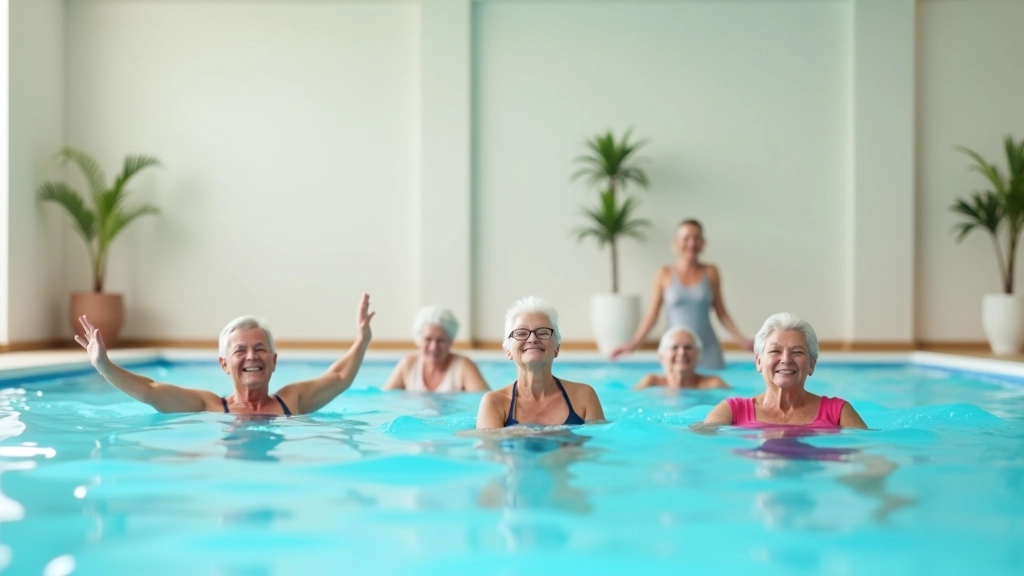

Nutrition Awareness & Healthy Eating
Seminars on nutrition for active adults. Topics include energy management, bone health, and hydration for optimal wellness.
Read Guide →Learn practical techniques to improve stability, strengthen your core, and reduce fall risk. We've designed these workshops for adults 40-60 who want to stay active and confident in their daily lives.
Falls aren't inevitable. They're preventable. That's the core message we want you to hear right from the start. Your balance and stability aren't fixed — they're skills you can improve with the right exercises and guidance.
Research shows that people who engage in regular balance training reduce their fall risk by up to 40%. Better yet, you'll notice improvements quickly. Most participants report feeling more confident within 3-4 weeks of consistent practice.
Effective balance training rests on three interconnected elements. We address all three in our workshops.
Your body's awareness of where it is in space. We don't think about this much, but it's crucial. Exercises like single-leg stance and balance board work activate and strengthen these sensory systems.
Your core and leg muscles are your foundation. When they're weak, balance suffers. We focus on functional movements — squats, lunges, planks — that directly support everyday activities.
Quick reflexes help you catch yourself if you stumble. Flexibility keeps your joints mobile. Both are trainable. Our workshops include dynamic stretching and reactive movement drills.
Don't worry — these aren't complicated gymnastics moves. They're straightforward exercises designed to be done safely in a group setting or at home. Here's what a typical workshop covers:
Hold onto a chair or wall. Stand on one leg for 10-30 seconds. Repeat on both sides. It's simple but incredibly effective for proprioception.
Walk in a straight line, placing your heel directly in front of your toes with each step. Challenges your balance and coordination.
Stand up from a chair and sit back down, controlled. Builds leg strength essential for stability and prevents falls when standing from seated positions.
Place one foot directly in front of the other. Hold for 10-20 seconds. Advanced version of single-leg training.
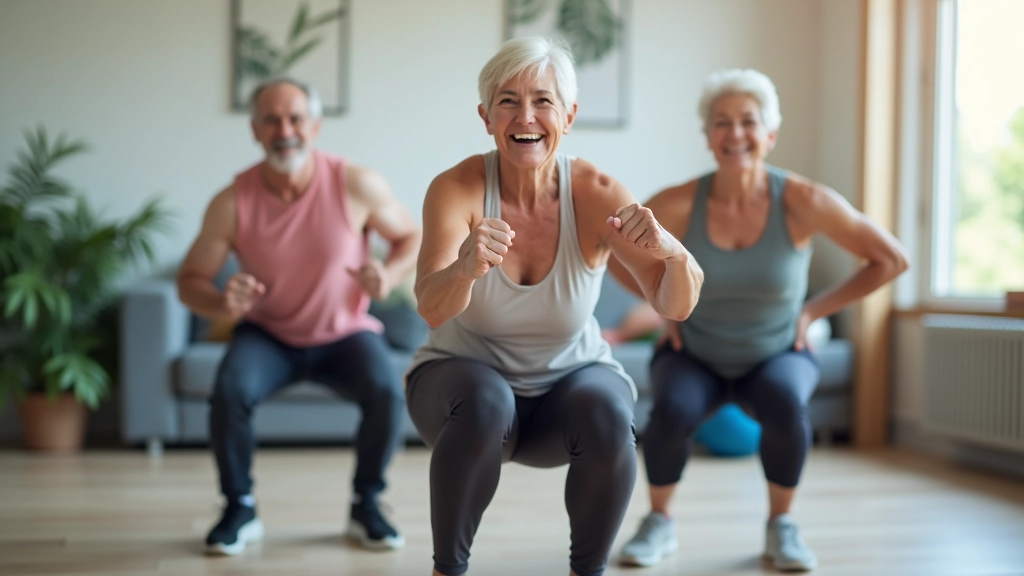
Here's how we structure our sessions to keep you safe while building real skills.
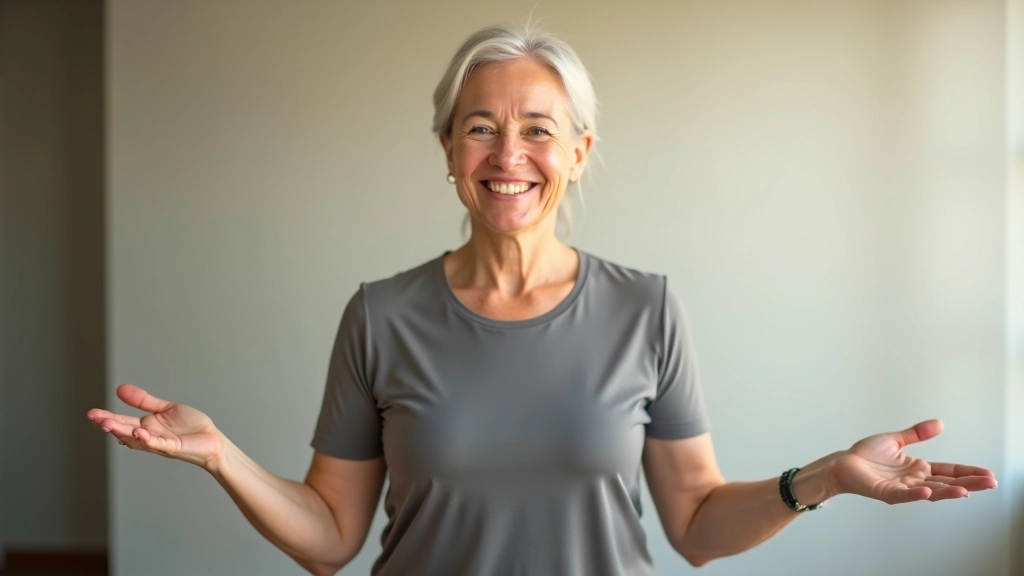
We start with 5-10 minutes of gentle movement — arm circles, leg lifts, torso rotations. This prepares your body and helps us understand your current abilities. No one's judged. We're here to meet you where you are.
25-30 minutes focused on balance and strength exercises. You'll work at your own pace with modifications available. Got a knee issue? We'll show you the adjusted version. It's real coaching, not a one-size-fits-all video.
Final 5-10 minutes for stretching and recovery. We'll answer questions, discuss modifications for home practice, and celebrate progress. You'll walk out feeling accomplished, not exhausted.
Don't just take our word for it. Here's what participants have experienced.
"I was nervous about falling — honestly, it was affecting how much I'd go out. After about six weeks of these workshops, my confidence came back. Now I'm not afraid to take walks or garden like I used to."
— Patricia, 58
"The exercises aren't complicated, which I appreciated. I can actually remember them and do them at home on days I can't make the workshop. My knees feel stronger, and I don't get as dizzy when I stand up fast."
— James, 62
"What surprised me was how much better my posture got. I wasn't expecting that benefit. Standing straighter has actually helped with my back pain, which was an unexpected bonus."
— Diana, 55
Workshop attendance is great, but consistency matters most. We'll teach you exercises you can do at home on your own schedule. Most people see continued improvement with just 15-20 minutes, three times per week.
Clear furniture, remove tripping hazards, ensure good lighting. Keep a sturdy chair or countertop nearby for balance support.
Don't rush to advanced exercises. Consistency beats intensity. Three moderate sessions per week outperforms sporadic intense workouts.
Notice small wins. Can you hold single-leg stance longer? Walk that line straighter? These improvements compound over time.

Not at all. Every exercise has modifications. You'll never be pushed beyond your ability. We scale everything based on your current fitness level, and our instructors watch carefully to ensure you're working safely.
Once per week is a solid starting point. Some people attend twice weekly once they build confidence. Even monthly attendance shows results, but consistency matters more than frequency.
Let your instructor know. We've got alternatives for virtually every exercise. Low-impact movements work just as well for building balance. Many participants with arthritis report improved joint function after consistent training.
You'll feel stronger and more stable within 2-3 weeks of consistent practice. More noticeable confidence gains show up around 4-6 weeks. Balance improvement is gradual but steady.
Balance and fall prevention aren't just about staying safe — they're about staying active, independent, and confident in your daily life. Our workshops give you the tools and community support to make real progress.
Learn About Workshop SchedulesThis article provides informational content about balance training and fall prevention strategies. It's not a substitute for professional medical advice. Before starting any new exercise program, especially if you have existing health conditions, balance issues, or take medications that affect stability, consult with your healthcare provider or physical therapist. Our instructors can suggest modifications, but individual medical conditions require professional evaluation.